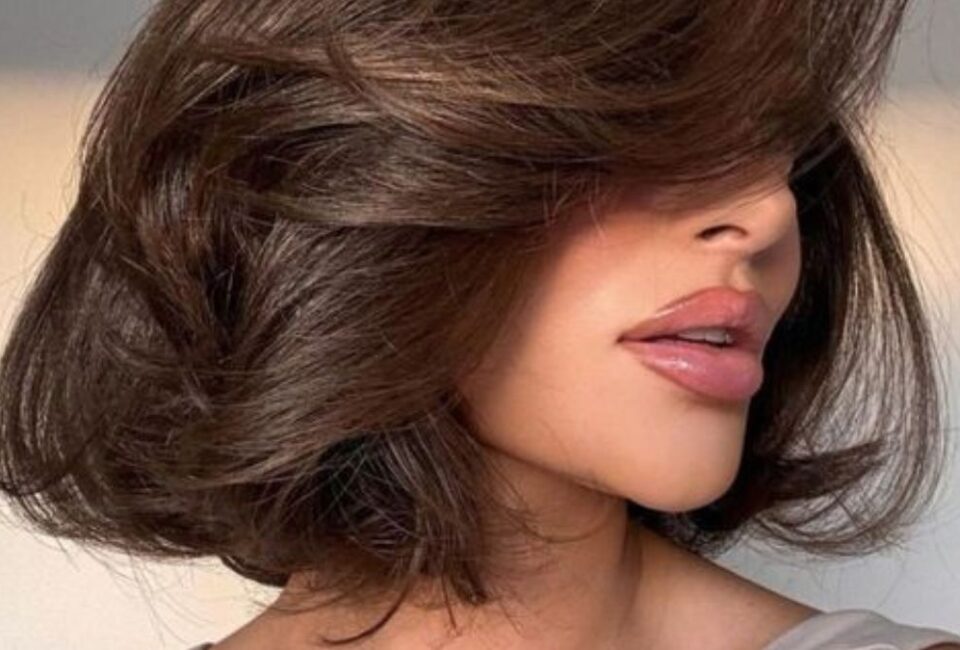
The Italian Bob 2026
Some haircuts cycle in and out of favour. The Italian bob is not one of them. It has been building quietly since 2023, peaked in 2025, and — according to Google search data — has now reached record highs in 2026. The women booking it aren’t chasing a trend. They’re recognising what stylists have known for years: this is one of the most genuinely flattering, genuinely low-maintenance cuts available for women over 30.
The question isn’t whether the Italian bob is having a moment. It clearly is. The question is whether it’s the right cut for you — and what, specifically, makes it different from every other bob variation that’s crossed your feed this year.
What the Italian Bob Actually Is
The Italian bob sits between the chin and the collarbone — longer than the French bob, shorter than a lob. Its defining characteristics are soft layering through the ends, slight weight removed through the interior of the cut, and a finish that moves rather than sits. Where the Japanese bob is architectural and precise, the Italian bob is lived-in and warm. Where the bevelled bob curves deliberately inward, the Italian bob allows the hair to fall naturally with a gentle, almost unintentional wave at the ends.
It takes its visual reference from Italian cinema of the 1960s — Monica Bellucci, Sophia Loren, Claudia Cardinale — women whose hair looked expensive precisely because it didn’t look styled. That effortless, slightly sun-warmed quality is the whole point. The cut is designed to look better on day two than day one.

Why It’s at a Record High Right Now
Several things are converging. The blunt precision cuts that dominated 2023 and 2024 — the chin-skimming bob, the sharp Japanese bob — require serious maintenance. Regular trims every four to six weeks, daily heat styling to keep the line clean, and hair in genuinely good condition to carry off the severity. As women have become more considered about their beauty routines (and their salon budgets), the Italian bob’s relative ease has become a genuine selling point rather than a consolation.
There’s also a shift in the cultural reference point. The woman who dominated the 2024 style conversation — Sofia Richie Grainge’s minimalist American aesthetic — has given way to something with more warmth and personality. The Italian bob fits that shift exactly: it’s polished without being cold, considered without being try-hard.
The Italian Bob vs the Competition
There are now at least eight named bob variations with active search volume. Here’s where the Italian bob sits:
Italian bob vs French bob: The French bob is shorter — typically chin length or above — with a blunter line and a more Parisian minimalism to it. The Italian bob is warmer, slightly longer, and significantly easier to maintain. If the French bob is an espresso, the Italian bob is a Negroni — the same sophistication, more personality.

Italian bob vs Japanese bob: The Japanese bob is the precision cut — ultra-clean lines, architectural shape, maximum shine. It requires the most maintenance of all the bob variations and works best on hair in excellent condition. The Italian bob is the less demanding alternative that still photographs beautifully.
Italian bob vs bevelled bob: The bevelled bob curves inward at the ends, creating a deliberate contour along the jawline. The Italian bob allows the hair to fall more naturally. The bevelled bob is more structured; the Italian bob is more relaxed.
Italian bob vs the bixie: The bixie (a bob-pixie hybrid) is significantly shorter and more of a commitment. The Italian bob grows out gracefully; the bixie requires more frequent trims and a higher tolerance for short hair during the growing-out phase.
Who the Italian Bob Suits
The honest answer is: most people. The length and layering make it versatile in a way that shorter, more precise cuts are not.
Face shape: The Italian bob’s length — sitting between chin and collarbone — avoids the face-widening effect that shorter bobs can create on round faces, while the soft layering at the ends prevents it looking boxy on square or angular faces. Oval faces can carry any version of it.
Hair texture: This is genuinely one of the more texture-inclusive cuts. Straight hair gets the Monica Bellucci effect — glossy, swinging, polished. Wavy hair gets natural movement and body without needing any product. Fine hair benefits from the layering, which removes bulk and creates the illusion of weight.
Age: The Italian bob was made for women over 30. It’s not a young person’s cut trying to look mature — it’s an adult woman’s cut that happens to photograph well at every age. The length avoids the sometimes-harsh effect of a very short bob on features that have changed with age, while the softness of the styling avoids the helmet-hair associations of the classic ’80s bob.
How to Style It
The Italian bob’s appeal is partly that it doesn’t need much. The cut does the work.
For the lived-in finish (the most useful day-to-day style): apply a small amount of a lightweight oil — Kérastase Elixir Ultime — to damp hair, rough dry with a diffuser or your hands, and leave it. The natural movement of the cut creates the shape without any additional styling.
For the polished version: blow dry with a medium round brush, rolling the ends under very slightly and lifting the roots. One pass with a flat iron through the mid-lengths adds that glass-like finish that makes the Italian bob look expensive. Finish with a fine mist of shine spray rather than a serum, which can make the ends look heavy.
For texture: GHD’s Curve Creative Curl Wand creates the soft, irregular wave that defines the Italian bob at its most relaxed. Don’t curl from root to end — start mid-shaft and leave the ends out for the undone finish.
The one product worth investing in: a good shine serum. The Italian bob’s impact is largely about light — how the hair catches and reflects it. Augustinus Bader’s The Hair Oil is the investment option; Oribe’s Gold Lust Nourishing Hair Oil performs at a similar level for less.
What to Ask Your Stylist
The phrase “Italian bob” is now universally understood in salons, but bring references anyway. The most common mistake is cutting it too short — the shoulder-grazing length is what gives it the movement and warmth that defines the cut. A chin-length version becomes a French bob. Ask specifically for length that hits between the chin and the collarbone, soft layering through the interior rather than the surface, and a very slight recession at the nape rather than a blunt horizontal line.
If you have fine hair, ask your stylist to leave the weight in — don’t take out more than is necessary to create movement. If you have thick hair, the layering through the interior (not the surface) removes bulk without disrupting the overall line.

The Investment Dressing Parallel
There is a logic to the Italian bob that mirrors investment dressing exactly. It is not the cheapest option — a good Italian bob requires a skilled stylist and costs accordingly. It is not the most dramatic option — it won’t transform your appearance overnight. But it is the option that performs best over time: easy to maintain, flattering in a wide range of contexts, impossible to date, and consistently underestimated until it’s on.
The women who wear it best are the same women who own three cashmere jumpers instead of fifteen acrylic ones. They are not making the flashiest choice. They are making the right one.
FAQ
What is the Italian bob haircut? The Italian bob is a shoulder-grazing bob haircut characterised by soft layering, natural movement, and a relaxed, lived-in finish. It sits between the chin and collarbone, longer than the French bob and shorter than a lob. It takes its reference from Italian cinema of the 1960s — Monica Bellucci, Sophia Loren — and is known for looking effortlessly polished without demanding significant daily styling.
Is the Italian bob still in fashion in 2026? Yes — the Italian bob has reached record search highs in 2026 according to Google Trends data. It has moved beyond trend status into a considered, long-term haircut choice for women who want something low-maintenance, versatile, and genuinely flattering.
What is the difference between an Italian bob and a French bob? The French bob is shorter — typically chin length or above — with a blunter, more precise cut and a Parisian minimalism to the finish. The Italian bob is longer, softer, and has more natural movement. The French bob is more structured; the Italian bob is warmer and more forgiving to maintain.
What face shape suits an Italian bob? The Italian bob suits most face shapes. The length — sitting between chin and collarbone — avoids the widening effect shorter bobs can create on round faces. The soft layering prevents a boxy look on square or angular faces. Oval faces can carry any version of the cut.
How often does the Italian bob need trimming? Every eight to twelve weeks for most hair types, which is less frequent than the Japanese bob or French bob (which require six to eight weeks to maintain their precision). The Italian bob’s softer finish means it grows out gracefully rather than losing its shape dramatically between appointments.
What products work best for the Italian bob? A lightweight shine oil applied to damp hair and a minimal approach to styling. Kérastase Elixir Ultime, Oribe Gold Lust, or Augustinus Bader The Hair Oil all work well. Avoid heavy serums on the ends, which weigh the cut down and eliminate the natural movement that defines it.
Want more articles like this? Sign up to the Chic Style Collective newsletter for exclusive editor’s picks, capsule wardrobe guides, and seasonal style tips straight to your inbox.




![Old Money Hair Color [Shutterstock]](https://www.chicstylecollective.com/wp-content/uploads/2025/05/Chic-Style-Collective-Hero-Image-12-365x274.jpg "Chic Style Collective | Old Money Hair Color: 5 Chic Hair Color's Celebrites Love and You Need to Embrace")