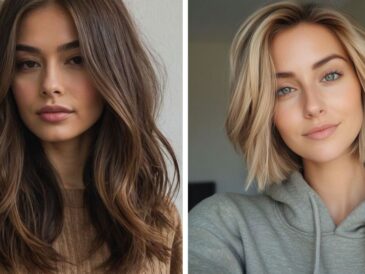
The Japanese Bob
The Japanese bob has been building quietly for the better part of two years — seen first on the runways of Tokyo and Seoul, then on the heads of fashion editors in London and Paris, and now firmly in the vocabulary of every good hairdresser in the country. It’s the haircut that looks harder to achieve than it is, more considered than a classic bob, and more polished than almost anything else available at this length.
I trained as a hairdresser before founding Chic Style Collective, which means I understand what makes a haircut technically excellent rather than merely fashionable. The Japanese bob is both. Here’s everything you need to know before booking your appointment.
What Is the Japanese Bob?
The Japanese bob is a precision-cut bob that sits between the chin and the collarbone, cut with a blunt or very slightly graduated line that creates a clean, weighted finish. The defining characteristics are: exceptional surface polish, immaculate shape retention, and a deliberate absence of texture or layering.
Where a classic blunt bob can read severe and a layered bob can read casual, the Japanese bob sits in the middle — structured without being harsh, polished without being stiff. The Japanese reference isn’t merely geographical. It reflects a specific hair culture in which precision cutting, scalp health, and hair quality are prioritised above trend. Japanese hairdressing has a particular relationship with the bob that has produced some of the most technically refined approaches to the cut in the world.
The key differences from a standard bob:
The line is softer than a blunt bob. The Japanese bob doesn’t use the hard blunt line of a Western blunt cut. The ends are point-cut or slide-cut to create a clean but not rigid finish — weight without the severity.
The interior is clean. No layers, no graduation at the back, no thinning that compromises the weight line. The interior of the cut is as considered as the exterior.
The movement is inward. The Japanese bob naturally curves inward at the ends — a slight C-shape that gives the silhouette its distinctive polish without requiring heat styling every morning.
The length sits precisely. Most Japanese bobs hit between the jaw and the collarbone — length variations that alter the result significantly. The chin-length version is the sharpest. The collarbone version is the most versatile.
![Bob Hair [Pinterest]](https://www.chicstylecollective.com/wp-content/uploads/2025/01/42-Trendy-Chin-Length-Bob-Hairstyles-Youll-Love-200x300.jpg "Chic Style Collective | The Japanese Bob: Everything You Need to Know")
Why the Japanese Bob Is the Haircut of 2026
The timing of the Japanese bob’s mainstream arrival is not accidental. It is the hair equivalent of quiet luxury — understated, technically excellent, requiring quality to execute rather than trend currency to make work.
At a moment when maximalist hair — the beach wave, the volume blow-dry, the heavily textured lob — has reached saturation point, the Japanese bob offers the opposite. Precision, polish, and a silhouette that photographs as well on day ten as on day one.
It also reflects a broader shift in how women in their thirties and forties are thinking about haircuts. The low-maintenance proposition is real — a Japanese bob with good hair health requires less daily effort than a layered style. But it requires more maintenance in the form of regular trimming — every six to eight weeks rather than twelve to sixteen. The trade is daily effort for regular salon visits. For the right woman, it’s a straightforward exchange.

Who Does the Japanese Bob Suit?
The Japanese bob suits a broader range of face shapes and hair types than its precision reputation suggests — with one caveat.
Face shapes: The jaw-length version works best on oval and heart-shaped faces where the line of the cut sits at or above the widest point of the jaw. For square or round face shapes, the collarbone-length version is more flattering — the additional length softens the face without sacrificing the silhouette. Long faces suit the chin-length version best, as the horizontal weight line adds width.
Hair types: The Japanese bob was designed for straight to slightly wavy hair and performs best on these types. The clean finish and inward curl rely on hair lying flat and smooth. For wavy hair — a 2a to 2c — the bob is achievable with regular blow-drying and a good heat protection routine. For curly hair, a Japanese bob in the traditional sense requires significant styling time to maintain — a curl-adapted bob is a better choice.
Hair texture: Fine hair benefits most from the Japanese bob because the blunt weight line creates the appearance of density without layering. Thick hair can carry the Japanese bob beautifully but may need point-cutting at the interior to reduce bulk without compromising the exterior line.
The Japanese Bob vs Other Bob Styles
Understanding where the Japanese bob sits in relation to other bob styles helps clarify the choice:
Japanese bob vs French bob: The French bob is shorter — sitting above the chin — and typically includes a fringe. The Japanese bob is longer, fringeless in its traditional form, and considerably more polished. The French bob reads more editorial and directional; the Japanese bob reads more considered and everyday.
Japanese bob vs Italian bob: The Italian bob sits at a similar length to the Japanese bob but is cut with more graduation and movement. The Italian bob is softer and more textured; the Japanese bob is cleaner and more precise. Both are considered bobs — the Italian is more romantic, the Japanese is more architectural.
Japanese bob vs blunt bob: The blunt bob uses a hard line cut straight across. The Japanese bob softens this with point-cutting at the ends. The result is similar from a distance but significantly different up close — the Japanese bob doesn’t have the occasional severity that a hard blunt line can create.
Japanese bob vs lob: The lob is longer — sitting at or below the collarbone — and almost always layered. The Japanese bob is shorter and unlayered. The lob is more relaxed and requires less maintenance. The Japanese bob is more precise and requires more regular trimming.

How to Ask For a Japanese Bob at the Salon
The conversation with your hairdresser is where most cuts succeed or fail. Here’s what to specify:
Length: Decide whether you want chin-length, jaw-length, or collarbone-length before you sit down. These are meaningfully different results and the choice should be made based on your face shape, not on which photograph you liked most.
The line: Ask for a point-cut finish rather than a scissors-over-comb blunt line. Specify that you want weight at the ends but with a slightly softened finish rather than a hard blunt cut.
The interior: Be explicit that you don’t want interior layers or thinning. The weight of the Japanese bob depends on the interior being clean. If a hairdresser suggests “just a few layers to remove bulk,” this changes the result significantly — it’s a different haircut.
The inward movement: Ask your hairdresser to direct the blow-dry with the ends curving inward rather than outward. This is done with a round brush on a medium heat setting and is the technique that creates the characteristic Japanese bob finish.
Reference images: Bring two or three images that show the specific length and finish you want. Japanese hair brands — TOKIO IE, OLAPLEX, Kérastase — have excellent reference imagery on their social channels.
How to Maintain a Japanese Bob at Home
The maintenance routine is as important as the cut itself. The Japanese bob relies on hair health and smooth surface texture — both of which require a considered care routine.
Wash every two to three days. Over-washing strips the oils that give the Japanese bob its natural inward movement and surface shine. A good dry shampoo — the Kérastase Fresh Affair or the Philip Kingsley One More Day — extends the blow-dry between washes.
Use a heat protection product before every blow-dry. The Japanese bob requires a blow-dry to look correct — the flat, smooth surface doesn’t happen naturally on most hair types. A good heat protectant is non-negotiable. The ghd Heat Protect Spray is the most reliable CSC recommendation. Use before every session with heat tools.
Invest in a good round brush. The inward movement of the Japanese bob is created by a round brush directing the hair under as it dries. A medium-barrel round brush — the Mason Pearson is the investment option, the Dyson Paddle is the accessible one — makes the difference between a Japanese bob that looks correct and one that doesn’t.
Book trims every six weeks. The Japanese bob loses its precision faster than a layered cut because the weight line is everything. Six to eight weeks between trims is the maximum. Eight weeks is visibly pushing it on most hair types.
Use a hair mask weekly. The surface polish that defines the Japanese bob depends on hair health. A weekly treatment — the Christophe Robin Regenerating Mask or the Philip Kingsley Elasticizer — maintains the condition that makes the cut look correct.

The Products Worth Using With a Japanese Bob
For the blow-dry:
- ghd Heat Protect Spray — the most reliable heat protection at this styling temperature. Apply to towel-dried hair before any heat.
- Kérastase Nutritive 8H Magic Night Serum — applied the night before a wash, it improves surface condition by morning.
- OLAPLEX No.6 Bond Smoother — applied to damp hair before blow-drying, it smooths the cuticle and adds the surface shine the Japanese bob requires.

For between washes:
- Philip Kingsley One More Day dry shampoo — the most intelligently formulated dry shampoo for fine-to-medium hair. Doesn’t leave white residue and genuinely absorbs oil rather than masking it.
- Kérastase Fresh Affair — the alternative for thicker hair types.
For weekly treatment:
- Christophe Robin Regenerating Mask with Prickly Pear Oil — the treatment that maintains the hair health the Japanese bob requires.
- Philip Kingsley Elasticizer — the pre-shampoo treatment that improves elasticity and surface condition.
For styling finish:
- ghd Platinum+ Styler — for the days when the blow-dry alone isn’t delivering the surface polish the Japanese bob requires. The predictive technology regulates temperature to prevent damage. Worth the investment for anyone wearing a precision cut long-term.
- Oribe Supershine Moisturizing Cream — a small amount applied to the finished blow-dry adds the final surface gloss.
The Celebrity Japanese Bob References to Take to Your Hairdresser
The Japanese bob has been worn by a specific constellation of women who understand precision dressing and carry it into their hair:
Alexa Chung — the British version of the Japanese bob, slightly longer and with the characteristic inward movement. The reference for the collarbone-length version.
Cate Blanchett — worn at various lengths throughout her career, always with the same surface precision that defines the Japanese bob aesthetic.
Victoria Beckham — her current iteration of the bob sits at the jaw and has the clean, weighted line of a Japanese bob executed by a very expensive hairdresser. The reference for anyone wanting the shortest, sharpest version.
Karlie Kloss — the longer, collarbone-length version that reads more relaxed while maintaining the characteristic polish.
FAQ
What is a Japanese bob haircut? A Japanese bob is a precision-cut bob sitting between the chin and collarbone, with a clean blunt or point-cut line, no interior layers, and a natural inward movement at the ends. It differs from a standard blunt bob in its softer finish and from a layered bob in its clean, weighted interior. The defining qualities are surface polish, immaculate shape retention, and a deliberate absence of texture.
Who does a Japanese bob suit? The Japanese bob suits oval, heart, and long face shapes at chin to jaw length, and square or round face shapes at collarbone length where the additional length softens the silhouette. It performs best on straight to slightly wavy hair — fine hair benefits most from the weight line, and thick hair carries the cut beautifully with appropriate interior point-cutting.
How often do you need to trim a Japanese bob? Every six to eight weeks. The Japanese bob loses its precision faster than a layered cut because the weight line is the defining feature of the cut. Eight weeks is the practical maximum between trims — beyond that the line becomes visibly soft and the characteristic silhouette loses its shape.
What is the difference between a Japanese bob and a French bob? The French bob sits above the chin and typically includes a fringe. The Japanese bob is longer, sits at the chin to collarbone, and is fringeless in its traditional form. The French bob reads more editorial and directional; the Japanese bob is more polished and everyday-appropriate.
Is a Japanese bob low maintenance? It requires less daily effort than a layered style — no diffusing, no scrunching, no product-intensive texture work — but more regular salon visits than a longer layered cut. The trade is daily styling simplicity for six-weekly trimming. For women who blow-dry regularly anyway, the Japanese bob is genuinely low maintenance. For women who air-dry, it requires adjustment.
What products do you need for a Japanese bob? A good heat protection spray, a medium-barrel round brush, and a weekly conditioning treatment are the three non-negotiables. ghd Heat Protect Spray, OLAPLEX No.6 Bond Smoother, and the Christophe Robin Regenerating Mask are the three CSC recommendations that cover every stage of the routine.
Want more articles like this? Sign up to the Chic Style Collective newsletter for exclusive editor’s picks, capsule wardrobe guides, and seasonal style tips straight to your inbox.