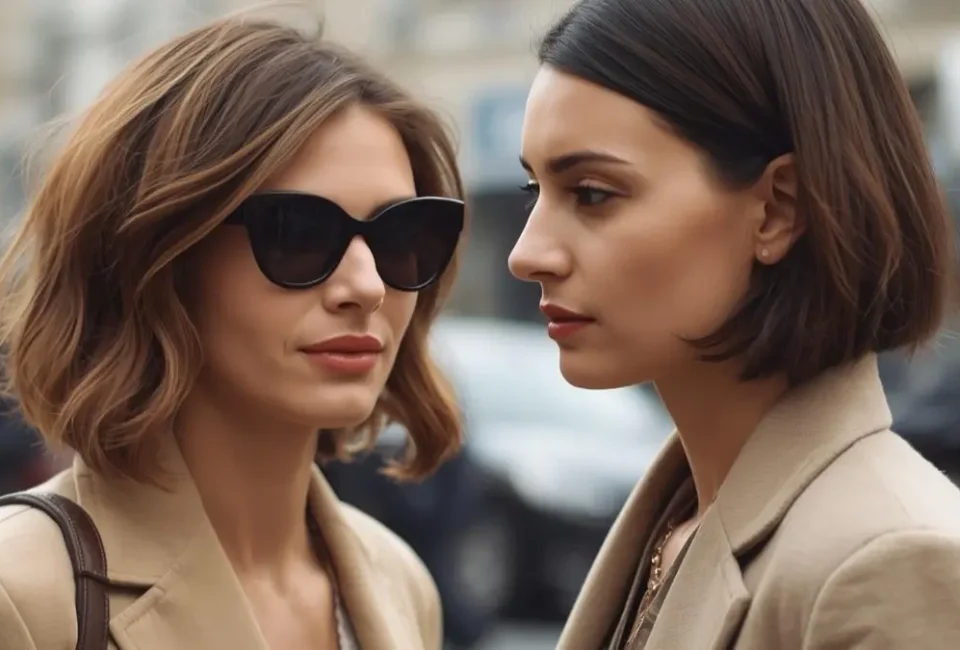
French Bob vs Classic Bob
They are both bobs. But they are completely different haircuts — and choosing the wrong one is one of the most common mistakes women make when booking a salon appointment. I spent nine years as a professional hairdresser before moving into beauty journalism, and in that time I cut more bobs than I can count. The French bob vs classic bob question came up in almost every consultation — and almost every client who asked it had a slightly different idea of what each one actually meant.
That confusion is understandable. Both cuts go by a lot of different names, both have evolved considerably in recent years, and both can look dramatically different depending on your hair type, face shape, and how you style them. This guide will tell you everything you need to know before you book your appointment.
What is the French bob?
The French bob is a short bob that sits at or just above the jawline — typically between the earlobe and the chin. It is defined by its softness rather than its precision. Unlike a sharp, geometric cut, the French bob has a relaxed, slightly undone quality that gives it its signature Parisian nonchalance.
The classic version is often paired with a fringe — either a blunt fringe sitting just above the brows or softer curtain bangs. But in 2026 the French bob is just as often worn without a fringe, relying instead on a centre or side parting and natural texture to create its effortlessly chic effect.
The key characteristic is that it looks like it took no effort, even when it did. It suits women who prefer their hair to feel relaxed rather than polished, and who are comfortable with a shorter length that sits above the collarbone.

What is the classic bob?
The classic bob is a more structured cut that typically sits at chin length or just below — anywhere from the jawline to the collarbone. It is defined by its clean lines and precise finish. Where the French bob embraces texture and movement, the classic bob prioritises shape and polish.
The classic bob can be worn blunt — cut to a single precise length with no layering — or with soft internal layers that add movement while maintaining the overall clean silhouette. It is the more versatile of the two cuts in terms of styling. You can wear it sleek and straight for a boardroom meeting and add soft waves for an evening out, and both versions look intentional.
This is the bob that has remained relevant across every decade since the 1920s. Anna Wintour has worn a version of it for forty years. That is the definition of a timeless cut.

The key differences — French bob vs classic bob
Length French bob: earlobe to jaw. Classic bob: jaw to collarbone. This is the most significant practical difference. If you are not ready to commit to a shorter length, the classic bob is the safer choice.
Texture French bob: soft, undone, natural movement. Classic bob: clean, structured, polished. The French bob looks better slightly imperfect. The classic bob looks better when well-maintained.
Styling effort French bob: low. Air dry with a texturising spray and you are done. Classic bob: slightly higher. It benefits from a blow dry or straighteners to maintain its shape, though modern versions can be styled with minimal effort.
Maintenance Both cuts need trimming every 6-8 weeks to maintain their shape. The French bob grows out more gracefully — as it gets longer it simply becomes a classic bob. The classic bob at its most precise needs more frequent trims to maintain the clean line.
Face shape suitability This is where it gets specific — which brings me to the most important part of this guide.
Which bob suits your face shape?
Oval face shapes You are the lucky ones — both cuts work. The French bob at jawline length is particularly flattering as it sits at the widest point of an oval face and creates beautiful symmetry. The classic bob at collarbone length is equally flattering. Choose based on your lifestyle and styling preference rather than your face shape.
Round face shapes The classic bob is the stronger choice. A length that sits below the jaw elongates a round face rather than widening it. If you love the French bob, ask your stylist to cut it slightly longer — just below the jaw rather than at the earlobe — and avoid a heavy fringe which will make the face appear rounder. A side parting rather than a centre parting also makes a significant difference.
Square face shapes The French bob with soft texture works beautifully for square faces because it takes the edge off a strong jaw. Avoid a blunt, precise French bob with no texture — the geometric shape can emphasise rather than soften a square jawline. The classic bob works well with soft layers and a side parting.
Heart face shapes The classic bob at collarbone length is ideal — it adds width at the bottom of the face to balance a wider forehead. The French bob can work but avoid a heavy fringe which will emphasise the width of the forehead further.
Long face shapes The French bob is excellent for longer face shapes because its width at the jaw adds volume and breaks up the vertical line of the face. Avoid a very long classic bob that grazes the collarbone — the extra length can emphasise the face length further.
How to ask for each cut at the salon
This is where most women go wrong. Saying “I want a French bob” to ten different hairdressers will get you ten different interpretations. Be specific.
For the French bob, say: “I would like a bob cut between my earlobe and chin — so roughly jawline length. I want it to have a soft, slightly undone texture rather than a sharp, blunt finish. I will be air drying it most days and want it to look effortless rather than polished. Please show me the length on my face before you cut.”
Add: “I would like a curtain fringe” or “I would like it without a fringe” depending on your preference.For the classic bob, say: “I would like a bob cut between my chin and collarbone — I would like to see a few length options on my face before committing. I want a clean, polished finish that I can style either straight or with soft waves. Please advise on whether I need internal layers for my hair type.”
How to style each cut at home
French bob styling:
The goal is effortless texture. Start with hair that is about 80% dry — not soaking wet and not completely dry. Apply a small amount of texturising cream or sea salt spray through the mid-lengths and ends. Scrunch gently, then leave to air dry. If you want more definition, use a 25mm wand to add a couple of soft bends, alternating direction. Finish with a light mist of texturising spray.

Classic bob styling:
The goal is clean shape and shine. Blow dry with a round brush, rolling the ends under slightly to maintain the bob’s shape. Finish with a flat iron or straighteners if you want maximum sleekness. Add a small amount of serum or oil to the ends for shine. For an evening look, use a large barrel wand to add soft waves, then run fingers through and finish with a flexible hairspray.
French bob vs classic bob — which should you choose?
Choose the French bob if you want lower maintenance, prefer your hair to look relaxed rather than polished, are comfortable with a shorter length, and love the effortless Parisian aesthetic.
Choose the classic bob if you prefer a more structured, polished look, want more styling versatility, are not ready to go shorter than your chin, and want a cut that works equally well for professional and social occasions.
If you are genuinely torn — start with the classic bob. It grows into the French bob naturally, so if you decide you want to go shorter you can always do so at your next appointment. Going the other way — growing out a French bob to a classic bob — requires patience.
Frequently asked questions
Can I get a French bob with curly hair? Yes — in fact curly hair often creates a beautiful natural French bob effect because the curl pattern creates volume and movement automatically. Ask your stylist for a dry cut so they can see exactly how the curls fall before cutting.
Does the French bob suit older women? Absolutely. The French bob is particularly flattering for women over 40 because its softness and movement is more forgiving than a sharp, blunt cut. It also photographs beautifully and suits the kind of effortless style that tends to look more sophisticated with age.
How often do I need to cut a French bob? Every 6-8 weeks to maintain the shape at its best. Every 10-12 weeks if you are comfortable with it growing slightly longer between cuts.
Can I have a French bob without a fringe? Yes — and in 2026 the fringeless French bob is actually more popular than the traditional version with a blunt fringe. A centre or side parting works beautifully.
Which is better for fine hair — French bob or classic bob? Both work well for fine hair. The French bob creates the illusion of more volume through its shorter length and texture. The classic bob at blunt length makes fine hair appear thicker. Ask your stylist which they recommend for your specific hair density.
Fine-haired women often find the French bob works particularly well for them — for a full breakdown of why certain bobs flatter thin hair more than others, see our guide to bob haircuts for thin hair.
Want more articles like this? Sign up to the Chic Style Collective newsletter for exclusive editor’s picks, capsule wardrobe guides, and seasonal style tips straight to your inbox.

![Kate Middleton Signature Blow Dry [Shutterstock]](https://www.chicstylecollective.com/wp-content/uploads/2025/06/Chic-Style-Collective-Hero-Image-181-365x274.jpg "Chic Style Collective | The Kate Middleton Signature Blow Dry: The Quiet Luxury Hair Look That Never Dates")
![How to Grow Long Hair [Adobe]](https://www.chicstylecollective.com/wp-content/uploads/2025/07/Chic-Style-Collective-Hero-Image-302-365x274.jpg "Chic Style Collective | How to Grow Long Hair Without Trims: 6 Game-Changing Tips Backed by Hair Experts")
![The Gloss Bob [Adobe]](https://www.chicstylecollective.com/wp-content/uploads/2025/02/CSC-Featured-image-724-365x274.jpg "Chic Style Collective | What is the Gloss Bob? The Sleek, Ultra-Luxurious Hair Trend Taking Over 2025")