![Old Money It-Girl fashion [Adobe]](https://www.chicstylecollective.com/wp-content/uploads/2025/03/CSC-Featured-image-930-960x650.jpg "Chic Style Collective | The Complete Guide to Old Money: Dressing, Living and Thinking Like the Elite")
The Complete Guide Old Money
Old money style is having a moment. But unlike most “moments”, this one isn’t really about trends at all. It’s about the opposite: consistency, restraint and the kind of quiet confidence that comes from knowing who you are and not needing to shout about it.
Everywhere you look, there’s talk of old money aesthetics, quiet luxury and “stealth wealth” wardrobes. But true old money style isn’t just a blazer, a blow-dry and a pair of loafers. It’s a mindset. It’s the way you dress, but also how you decorate your home, how you host, what you read, how you treat people and how you think about time, money and reputation.
This is your complete guide to that world written for the modern CSC woman who wants to borrow the best parts of old money living: timeless style, heritage brands, generational habits and a sense of ease that feels deeply, quietly luxurious, not performative.
![Old Money It-Girl fashion [Adobe]](https://www.chicstylecollective.com/wp-content/uploads/2025/03/CSC-Featured-image-930-1024x576.jpg "Chic Style Collective | The Complete Guide to Old Money: Dressing, Living and Thinking Like the Elite")
What Is Old Money Style, Really?
Old money style comes from families who have had wealth — or at least status and education — for generations. But you don’t need a trust fund to dress or live in an “old money” way. What you are really copying are the values that shaped their wardrobes and homes.
At its core, old money style is:
- Understated rather than showy
- Quality-driven rather than logo-driven
- Rooted in tradition, but relaxed instead of fussy
- Built slowly, piece by piece, over years
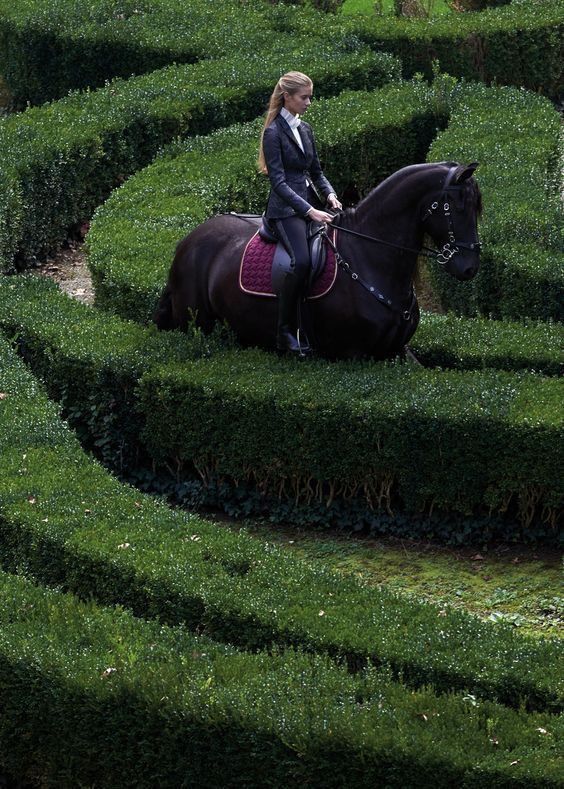
Think English country weekends, private members’ clubs, New England prep schools, Milanese grandmothers in camel coats and pearls. The details change by country, but the principles are similar: good fabrics, classic cuts, neutral colours, immaculate grooming and an almost studied nonchalance.
You won’t see heavy branding, novelty shapes or trends that scream for attention. The impression is always: “This could have been bought last week or twenty years ago.”
The Old Money Mindset: How the Elite Think
Before the wardrobe and the interiors, there’s the mentality. If you try to copy old money style without this, it always looks like costume.
1. Long-term over short-term
Old money thinking is generational. Clothes, furniture and jewellery are bought with the idea that they could be worn, kept and passed down for decades.
That means:
- Fewer pieces, better quality
- Tailoring instead of impulse buys
- Classic silhouettes instead of seasonal gimmicks
When you’re shopping through this lens, a well-cut navy coat becomes more appealing than a bright “Instagram coat” you’ll tire of in a month.
2. Discretion over display
Old money style never tries too hard. Wealth is assumed, not advertised. That’s why you see:
- Minimal or no visible logos
- Muted, classic colours
- Elegant shapes that don’t rely on shock value
The goal is to look appropriate for every room you walk into — from a boardroom to a country pub — without needing a single label to say, “I belong here.”
3. Stewardship over consumption
Inherited families are used to looking after things: houses, estates, family businesses, pieces of jewellery. That spills over into everything:
- Shoes are shined and resoled, not thrown away
- Coats are brushed and hung properly
- Cashmere is de-bobbbled and hand-washed
Your wardrobe becomes a collection to care for, not a constant cycle of buying and discarding.
4. Culture over status signalling
In old money circles, it’s more impressive to know your history, literature and art than the latest viral trend. You’ll notice:
- Conversations about books, theatre, travel and ideas
- Curiosity about the world: politics, culture, heritage
- A sense of ease in “high culture” spaces (opera, galleries, auctions)
You don’t need an Oxbridge education to borrow this — just a willingness to keep learning and stay interested.

How to Dress in Old Money Style
Now to the part everyone sees first: the wardrobe. Old money dressing is less about one exact “look” and more about a set of quiet rules.
The Old Money Wardrobe Philosophy
- Neutral and nature-inspired colours
Navy, camel, chocolate, charcoal, ivory, soft white, muted forest green, deep burgundy. Prints tend to be classic: stripes, checks, tweed, argyle, small florals. - Rich, tactile fabrics
Wool, cashmere, tweed, silk, crisp cotton, linen, suede and good leather. Fabrics that age beautifully and feel luxurious to the touch. - Classic, slightly conservative cuts
Modest necklines, hemlines that work day and evening, trousers that skim the body, blazers that actually fit the shoulders. The fit is relaxed, never tight or obviously “sexy”. - Tailoring as a non-negotiable
True old money wardrobes use alterations. Trousers are hemmed correctly, sleeves are shortened, waistbands nipped. Even high-street pieces look expensive when they fit perfectly.
Key Old Money Clothing Categories
You don’t need to buy everything at once. Think of building a capsule that covers work, weekends, dinners and travel.
1. Coats and outerwear
Old money style loves a good coat. Heritage brands might include names like Burberry, Barbour, Max Mara, Loro Piana, but you can find beautiful versions from more accessible labels if the cut and fabric feel right. It’s often the most expensive piece in the wardrobe and the one worn the most.
Look for:
- A long camel or oatmeal coat in wool or cashmere
- A navy or black tailored coat for city life
- A waxed or quilted jacket (think British country style) for weekends
- A trench coat for transitional seasons
2. Knitwear and shirts
You’ll rarely see old money wardrobes without expensive knitwear. These pieces mix easily with jeans, tailoring and skirts. The idea is to rotate a small, excellent selection, not a drawer stuffed with fast-fashion jumpers.
- Fine-gauge cashmere crew-necks and V-necks
- Chunky fisherman knits for weekends
- Argyle or Fair isle jumpers/cardigans
- Breton stripes
- Crisp white and pale blue poplin shirts
- Soft silk blouses in ivory or champagne
3. Trousers, denim and skirts
Old money style avoids overly distressed or hyper-fashion shapes. The fit is always polished. Even denim feels “smart”, not streetwear.
- Straight-leg or slightly wide-leg trousers, often with pleats
- Dark, clean, straight-leg jeans with minimal detailing
- A-line or pencil skirts in wool or tweed, knee-length or midi
- Tailored shorts in summer, worn with shirts and loafers
4. Dresses
Think of dresses that work for lunches, weddings, garden parties and more formal dinners. Prints, if any, are subtle: small florals, dots, heritage patterns.
- Simple shift dresses
- Soft wrap dresses in high-quality fabrics
- Shirt dresses with a defined waist
- Elegant evening dresses in classic colours (navy, black, deep jewel tones)
5. Shoes and boots
Shoes say a lot in old money circles. You’ll notice a preference for leather and suede, elegant proportions and comfortable heels rather than towering platforms.
- Leather loafers (penny or horsebit styles)
- Ballet flats with a subtle bow or strap
- Riding boots or knee-high leather boots
- Brogues and oxfords
Evening options:
- Simple pointed-toe pumps
- Strappy, minimal sandals
6. Bags and accessories
Old money accessories are quiet, structured and practical. Jewellery is generally fine rather than chunky: pearl studs, gold hoops, slim chains, a signet ring, an understated watch. The aim is to look “finished” rather than “accessorised.” Think Ralph Lauren, Celine, Strathberry and DeMellier.
- Top-handle or flap bags that keep their shape
- Slim evening clutches
- Minimal leather belts with simple buckles
- Silk scarves, often with equestrian or heritage prints
- Tortoiseshell sunglasses in classic shapes

Grooming and Beauty: Polished, Never Overdone
Old money style relies on impeccable grooming. You can wear the simplest jeans and knitwear and still look “expensive” if your hair, skin and nails are quietly looked after. It’s the kind of hair that looks equally at home in a boardroom, a country house, or a private members’ club.
Hair
- Clean, healthy, softly styled hair always beats over-styled looks.
- Colour is natural: soft highlights, rich brunettes, glossy deep tones, never harsh or obviously “fake”.
- Cuts are classic: bobs, soft layers, long hair with movement, elegant up-dos for evening.
Makeup
The old money approach to makeup is “you, but more polished.” It should be impossible to see where your makeup begins and your skin ends. The overall effect is healthy, rested and quietly glowing.
- Even, natural-looking skin — think sheer foundation or tinted moisturiser
- Soft, groomed brows
- Neutral eyes with perhaps a subtle liner
- A flattering nude or rose lipstick by day, a deeper red or berry for evening
- No obvious contour stripes, glitter, or ultra-heavy lashes
Nails and fragrance
Nails are short to mid-length. Colours: clear, soft pink, classic red, deep burgundy or a chic, muted nude. No loud nail art or neon shades. Fragrance is personal and often understated: florals, musks, leathers, chypres scents you have to lean in slightly to notice. It should feel like part of you, not a cloud that arrives in the room before you do.
Old Money at Home: Interiors, Rituals and Daily Life
Old money style continues into the home. You won’t usually see all-white, minimal spaces that feel like hotel lobbies. Nor will you see everything brand new and matching. The look is layered, lived-in and personal.
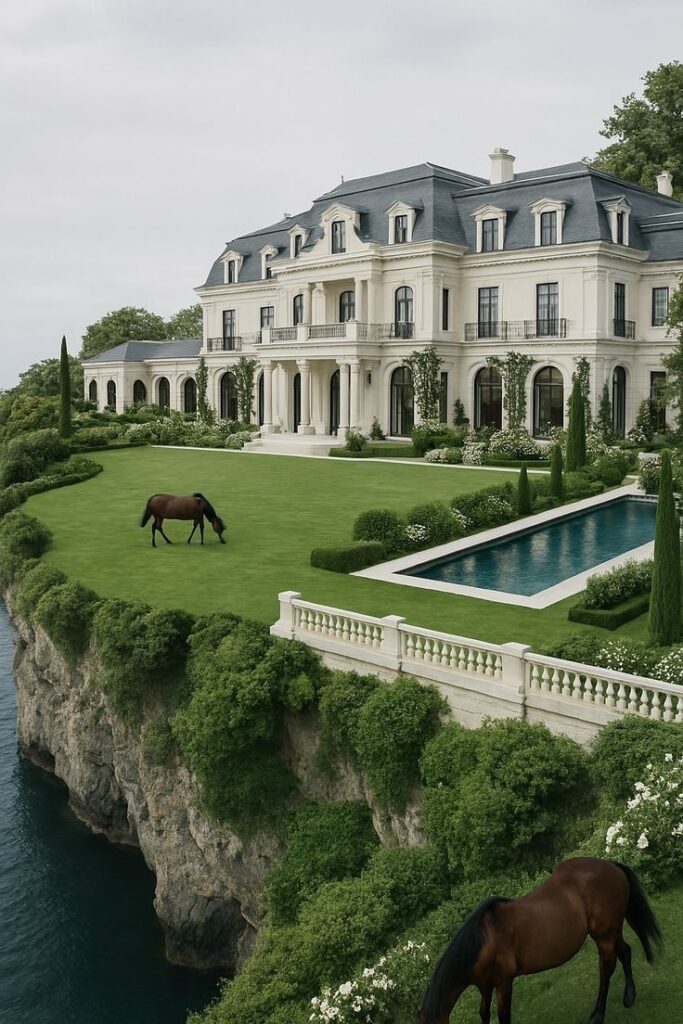
Interiors: collected, not coordinated
The palette often leans towards soft neutrals with deeper, traditional tones: navy, racing green, oxblood, warm browns. Comfort is key: cushions, throws, good lighting, a sense that you’re meant to sit and stay. Old money interiors tend to feature:
- A mix of heirloom pieces and newer finds
- Bookshelves that are actually used
- Good quality sofas and armchairs in classic shapes
- Natural materials: wood, linen, wool, leather, stone
- Artwork collected over time, from prints to oils, rather than mass-produced prints chosen purely for colour
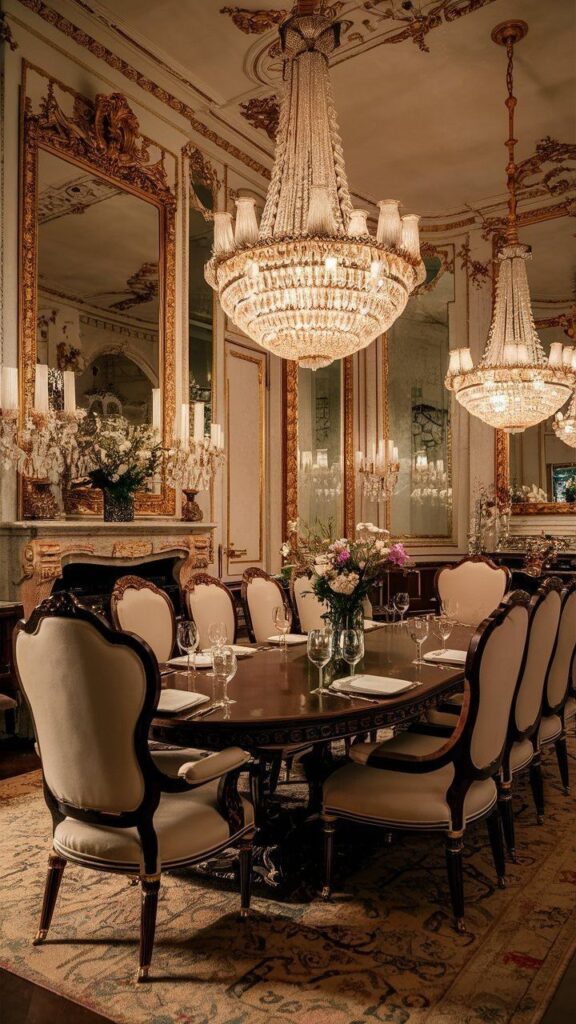
Table manners and dining
Food is one of the easiest places to bring old money ritual into everyday life.
- Laying the table properly, even for a simple supper: tablecloth or placemats, napkins, real glasses, cutlery in place.
- Serving simple, seasonal food — roast chicken, good pasta, big salads, crumbles — instead of over-complicated restaurant dishes.
- Making time for shared meals where possible, with phones away, conversation encouraged.
It’s less about the cost of the ingredients and more about the care, thought and rhythm of eating well.
Daily rituals
Generational wealth often comes with generational routine. A few “old money” habits you can borrow:
- Reading before bed instead of scrolling
- Writing thank-you notes instead of sending a quick text
- Keeping a calendar of cultural outings: exhibitions, theatre, concerts, lectures
- Scheduling regular walks, tennis, riding, golf or similar — movement as a lifestyle, not a punishment
These rituals layer together into a life that feels steady, grounded and quietly rich in experience.
Etiquette and Behaviour: How Old Money Carries Themselves
You can spot true old money style in motion long before you see the clothes. It’s in the way someone enters a room, handles awkward situations and treats the people around them.
1. Good manners as a baseline
Manners are not about being stiff or snobbish. They are about making other people feel comfortable. In social settings, you’ll notice an effort to include quieter guests, avoid polarising topics at the wrong moments and make sure everyone feels seen.
That includes:
- Being on time
- Introducing people to each other
- Saying please, thank you and sending follow-up messages after being hosted
- Listening more than you speak about yourself
2. Discretion and privacy
Old money circles value privacy highly. This discretion makes them feel more trustworthy — and, by extension, more powerful.
- They don’t share every detail of their personal lives online
- They avoid gossiping about friends or partners
- They don’t brag about money, connections or possessions
3. Social media restraint
The old money aesthetic and social media are not obvious friends. You don’t have to disappear from Instagram to embody old money style. But you can use it more intentionally, as a curated scrapbook of the life you’re building, rather than a real-time reality show.
- More sharing of experiences (travel, culture, nature) than of “look at me” moments
- Limited oversharing or emotional dumping in public
- No obvious flaunting of wealth purely for show
Money Habits Behind Old Money Style
You can’t talk about old money without talking about… money. But the habits behind the style are often more conservative than you’d think. The key is this: wealth is treated as something to steward, not to flaunt.
(This is not financial advice — just an observation of mindset.)
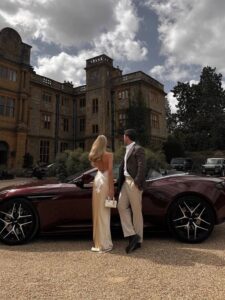
- Living below visible means: The car, clothes and obvious purchases may be slightly less flashy than the bank balance could allow.
- Buying once, buying well: Instead of five “OK” coats, one beautiful coat that lasts for years.
- Valuing maintenance: Paying for good cobblers, tailors, dry-cleaners, upholsterers.
- Spending on experiences: Travel, education, sports, memberships, cultural experiences and time together are often prioritised over the latest gadget.
Building Your Own Old Money Style on a Realistic Budget
The good news: you don’t need a country estate to live this way. Old money style is more about choices than cheques.
1. Start with your mindset
Ask yourself:
- Do I want this because it suits my life, or because I saw it on social media?
- Will I wear or use this in five years?
- Does this fit my real, day-to-day lifestyle?
Simply slowing down your decisions can be transformative.
2. Edit, then refine your wardrobe
Instead of buying lots of “old money” pieces at once, begin by editing what you already own.
- Remove pieces that feel cheap, uncomfortable or unlike you
- Notice what you naturally reach for: certain cuts, colours or fabrics
- Make a short list of genuine gaps: perhaps a tailored coat, a pair of loafers, a navy blazer
Then commit to filling those gaps with the best quality you can sensibly afford, even if that means saving up and buying slowly.
3. Embrace high-low dressing
True old money style is surprisingly relaxed about where pieces come from. It’s the overall effect that matters, not the label in the back.
You might combine:
- A beautifully cut high-street blazer with vintage trousers
- A heritage-style bag with an affordable knit and jeans
- A mid-range coat with well-made but simple loafers
If the fabrics feel good, the colours harmonise and the fit is right, the outfit will read as elegant, not “cheap.”
4. Learn to love tailoring and care
Two of the most “old money” things you can do:
- Find a good local tailor: Alter jackets, trousers and dresses so they fit like they were made for you.
- Learn garment care basics: How to steam, brush a coat, store knitwear, polish shoes, mend a loose button.
These skills cost far less than constant replacement and instantly make your wardrobe feel more considered.
5. Upgrade your rituals, not just your wardrobe
Choose one or two old money habits to bring into your week:
- A Sunday roast or family lunch with the table properly laid
- A weekly cultural outing or at-home “culture night” (a classic film, a documentary, a concert streamed at home)
- Reading for 20 minutes before bed
- Sending thank-you messages or notes after being hosted
These tiny shifts add up to a life that feels richer, more anchored and more “old money” in spirit.
Old Money Style for Modern Women: What It Really Offers
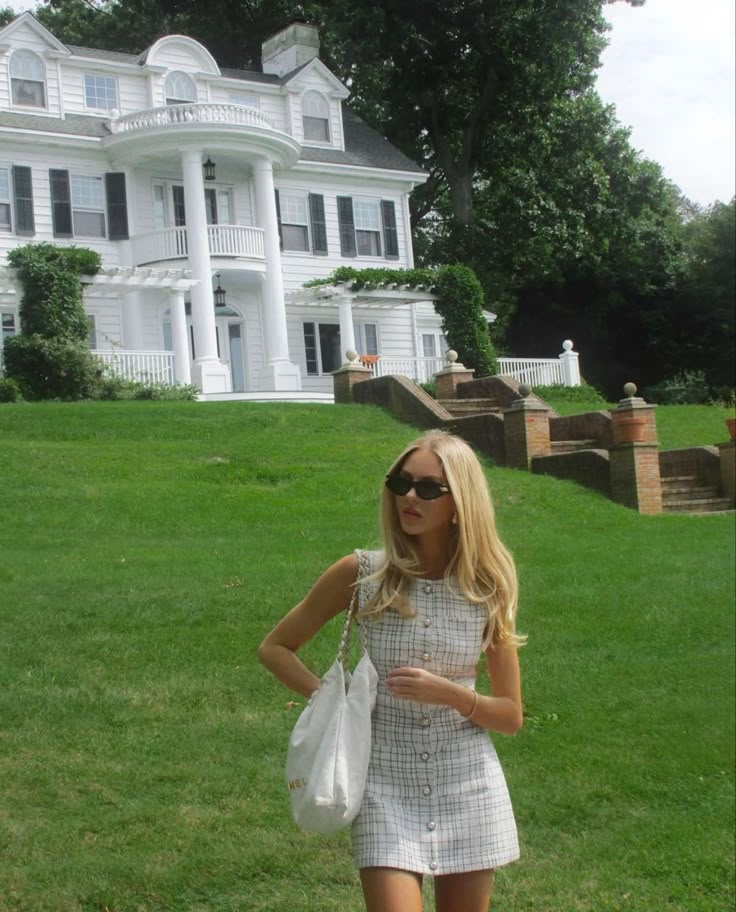
For the Chic Style Collective woman, old money style isn’t about exclusion or elitism. It’s about taking the best of that world — the steadiness, the quality, the timelessness — and weaving it into a busy, very modern life.
It offers:
- Clarity: A clear sense of what suits you, so you spend less time chasing trends you don’t actually love.
- Calm: A wardrobe and home that feel coherent, not chaotic.
- Confidence: The feeling of always being appropriately, elegantly dressed without overthinking it.
- Continuity: Traditions, rituals and habits that make your life feel more grounded, even when everything else is moving quickly.
You don’t need an aristocratic title, a double-barrelled surname or a country estate. You need intention. A handful of well-chosen pieces. Thoughtful daily rituals. A commitment to learning and good manners. And the quiet decision to live your life as if it’s worth curating with care.
The Chic Style Collective Edit
Old money style, at its heart, is simply this: a lifelong commitment to quality — in what you wear, what you surround yourself with, how you treat people and how you spend your time. From there, everything else — the camel coats, the pearls, the waxed jackets and city-to-country wardrobes — becomes the natural expression of a life lived with quiet intention. And that, more than any logo or trend, is what truly makes you look — and feel — like the elite.
You can start today with one choice:
- Swapping one “throwaway” purchase for a piece you’ll love for years
- Booking a tailor instead of ordering another dress
- Laying the table properly just for you
- Reading something that stretches your mind
Want more articles like this? Sign up to the Chic Style Collective newsletter for exclusive editor’s picks, capsule wardrobe guides, and seasonal style tips straight to your inbox.

![Sofia Richie Grainge Maternity Style Tommy Hilfiger Sofia Richie Grainge Hair[@TommyHilfiger]](https://www.chicstylecollective.com/wp-content/uploads/2025/03/CSC-Featured-image-864-365x274.jpg "Chic Style Collective | Tommy Hilfiger x Sofia Richie Grainge Launch New Collaboration Collection")


