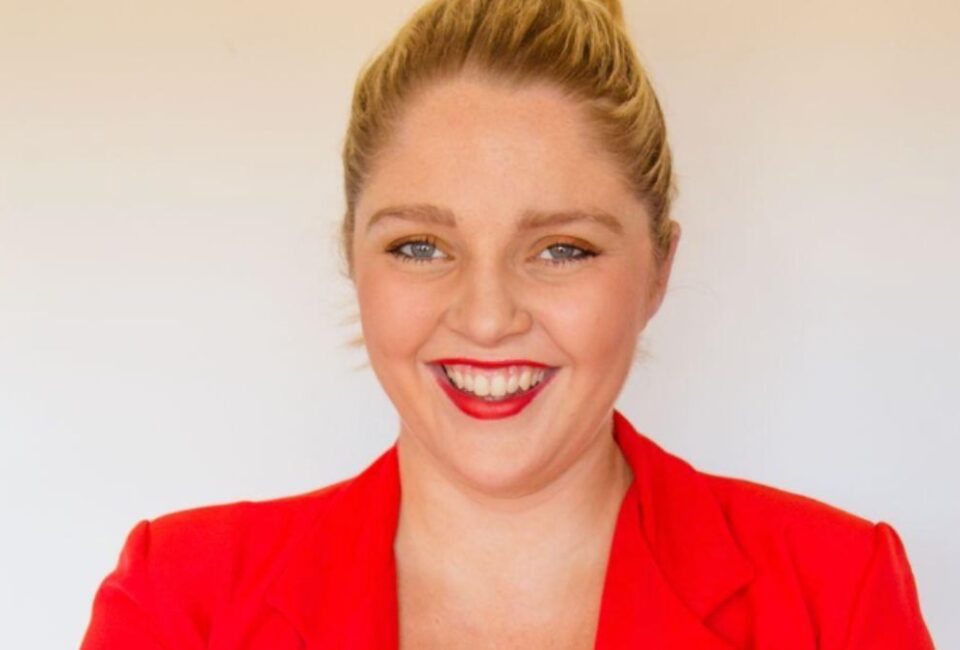
From Teenage Trailblazer to Multi-Million Pound CEO – Meet Liv Conlon
Liv Conlon is the powerhouse behind The Property Stagers, the UK’s leading home staging company, transforming over 400 properties a year into market-ready masterpieces. But her story goes far beyond interiors.
By the age of 21, Liv Conlonhad already built her first seven-figure business—proof that age is no barrier when passion, vision, and tenacity align. Today, Liv Conlon’s not only a celebrated entrepreneur but also a bestselling author, TEDx speaker, and champion of young female founders through her second venture, StagerBoss.
In this 10 Questions with interview, Liv Conlon shares the mindset shifts that fuelled her early rise, the design principles she swears by, and how she’s paving the way for the next generation of women in business.
1 What gave you the confidence to start at 21 years-old and what mindset shifts were crucial in scaling it?
I believe business is in my DNA. I tried employment after school at 16 and lasted three days – it felt completely wrong in my body to take direction from anyone else. Thankfully, I had very supportive parents who encouraged me to pursue whatever I was passionate about, and that grounding gave me the confidence to go after big goals early. The biggest mindset shift was realizing I didn’t have to do it all myself. As a recovering perfectionist, I truly believed no one could do things quite like I could. But after burning out a few times, I understood that scaling meant letting go and trusting others. Building a team wasn’t just helpful – it was essential.
2. What has been your biggest business lesson from building two seven-figure companies?
The biggest lesson has been that simplicity scales. In the early years, I made things more complex than they needed to be – more services, more offers, more chaos. Now, I’m obsessed with clarity and focus. I know exactly who we serve, what we do, and how we deliver results. That shift has made our business more profitable, more joyful, and more impactful.
3. As an interiors expert, how do you balance creative freedom with the commercial side of running a business in such a visual industry?
I’m a bit of a conundrum – I’m equally left and right-brained. But truthfully, I identify more as an entrepreneur than a designer. I love the creative side, but my real passion is the commercial strategy behind it. My team leads much of the design direction now, and I channel my creativity into marketing and big-picture vision. That’s where I thrive.
4. What are some timeless design principles you always return to, no matter the project or client brief?
Great design is rooted in principles, not trends. Scale, proportion, balance, and flow are timeless. You can layer in personality through accessories or colour, but the bones of a space should be built to last. I always say – don’t chase trends, chase what feels grounded and enduring.
5. You’re a bestselling author and a TEDx speaker – how do you see the role of personal brand in your journey, and what advice would you give others?
Building a desirable personal brand gives you influence that money cannot buy, and the reason behind that is that people have affinity with people over logos or companies. I personally believe in order for your personal brand to be valuable, it has to be rooted in authenticity, which sounds simple, but it can be challenging to be your ‘authentic self’. I’ve learned that being authentic isn’t about oversharing, it’s about consistency. Show up with the same values, voice, and vision across everything you do. Don’t try to be polished, try to be real, people connect with what’s real.
6. In what ways has public speaking elevated your business, and how did you overcome any fears?
Public speaking changed everything for me. It positioned me as a thought leader and helped me connect with people in a deeper, more impactful way. At first, it was terrifying – like “why would anyone listen to me?” But I reframed it: I wasn’t speaking for me, I was speaking to serve. That shift removed the pressure. It’s not about being perfect – it’s about being helpful. To become good at public speaking, as with anything, it’s about putting reps in – I was below average for my first 5 speaking events, and then I got better -and I’ve still got room for improvement!
7. What unique challenges have you experienced as a young woman in business?
Being young and female in business comes with its share of being underestimated. But I used that to my advantage. I stood out because I was bold, unapologetic, and excellent at what I did. I didn’t try to blend in – I used my age and energy as a brand asset. Confidence isn’t about being loud; it’s about being grounded in your value.
8. How do you hope to inspire and empower the next generation of young female entrepreneurs?
When I read that only 1% of female founders will ever reach 7-figures in revenue, I was disappointed – but not shocked. As women, we’re often at an immediate disadvantage in business due to lack of funding, representation, and access. I believe the only way forward is women leading by example.
So in everything I do, I think about how it’s paving the way for someone else to follow in my footsteps. That’s exactly what I do through my brand StagerBoss – I help women build profitable businesses, step into leadership, and break through barriers that were never designed for us.
9. How do you define success today, and what does your ideal work/life balance look like?
Success used to mean revenue milestones. Now it means freedom – time with my family, creative autonomy, and the ability to say “no” as often as I say “yes.” Work-life balance to me isn’t about equal hours – it’s about alignment. I’m a mum and a CEO, and I design my calendar with intention. That’s real success to me.
10. What legacy do you hope to leave through your businesses, your platform, and your voice as an entrepreneur?
Success used to mean revenue milestones. Now it means freedom – time with my family, creative autonomy, and the ability to say “no” as often as I say “yes.” Work-life balance to me isn’t about equal hours – it’s about alignment. I’m a mother and a CEO, and I design my calendar with intention. That’s real success to me.

![The Balm Co [Etsy]](https://www.chicstylecollective.com/wp-content/uploads/2025/06/Chic-Style-Collective-Hero-Image-172-365x274.jpg "Chic Style Collective | 10 Questions With Founder of The Balm Co Sofiya Andreeva")
![Amazon Prime's We Were Liars Fashion [Amazon Prime]](https://www.chicstylecollective.com/wp-content/uploads/2025/06/Chic-Style-Collective-Hero-Image-182-365x274.jpg "Chic Style Collective | Inside the Old Money Wardrobe of We Were Liars Fashion Outfits: 10 Questions with Costume Designer Amanda Riley")
![Property Stager Sallie King [Image Sallie King]](https://www.chicstylecollective.com/wp-content/uploads/2026/06/Chic-Style-Collective-Hero-Image-1200-x-675-px-29-365x274.webp "Chic Style Collective | Property Stager Sallie King Shares Her Secrets on Styling Spaces")