![Refined Lifestyle [Adobe]](https://www.chicstylecollective.com/wp-content/uploads/2025/11/Chic-Style-Collective-Hero-Image-915-960x650.jpg "Chic Style Collective | British Luxury Lifestyle: What It Really Means in 2026")
British Luxury Lifestyle
When people think of “British luxury,” their minds often leap to the obvious: the glossy boutiques of Bond Street, the stately charm of afternoon tea at Claridge’s, or the whisper of tweed and leather echoing through the Cotswolds. But in 2026, British luxury has evolved. It’s less about logos and more about legacy an aesthetic rooted in quiet refinement, craftsmanship, and cultural intelligence.
As someone who reports daily on luxury fashion and lifestyle for Chic Style Collective, I’ve spent the last year observing how this new chapter of British luxury is unfolding — across fashion, interiors, travel, and even mindset. What’s emerging is an identity that feels both proudly traditional and distinctly modern; a lifestyle where heritage meets restraint, and sophistication feels lived-in rather than staged.
Below, I break down what “British Luxury Lifestyle” really means in 2026 not just as an aesthetic, but as a philosophy of how to live beautifully, thoughtfully, and with quiet confidence.
The Aesthetic: Timeless Design, Modern Ease
British luxury in 2026 looks like understatement done perfectly. The aesthetic is rooted in heritage fine tailoring, natural fabrics, and impeccable craftsmanship but reimagined for how we live now.
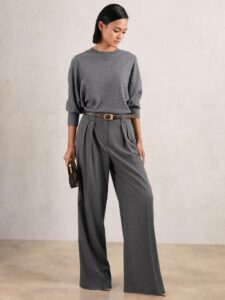
Walk into a modern British luxury wardrobe, and you’ll find functionality wrapped in finesse: sharply tailored blazers from Holland Cooper, fluid trench coats from Burberry, cable knits from The Row, and soft wool trousers from Reiss or COS. These pieces aren’t about flash; they’re about form, feel, and the quiet satisfaction of quality that endures season after season.
It’s the same story at home. Interiors have taken cues from the countryside but with a minimalist sensibility oak dining tables paired with sculptural ceramics, velvet armchairs in muted tones, linen bedding in cream and stone. British designers like Soane Britain and Daydress embody this blend of craftsmanship and calm.
And the palette? Think of the British landscape itself: soft taupes, forest greens, oat milk neutrals, and navy tones that mirror foggy mornings, polished mahogany, and worn leather
This aesthetic isn’t about perfection. It’s about patina the beauty of something that improves with time.
![Knightsbridge Cape Soft Black [Holland Cooper]](https://www.chicstylecollective.com/wp-content/uploads/2025/10/KnightsbridgeCape_SoftBlack_1067_3_1.jpg-200x300.webp "Chic Style Collective | British Luxury Lifestyle: What It Really Means in 2026")
The Mindset: Discreet, Cultured, and Grounded
True British luxury has always had an unspoken code: discretion. It’s why even the most affluent British families have a “make do and mend” sensibility passed down through generations. Money whispers. Taste speaks.
In 2026, that ethos has only deepened. After years of overexposure on social media, the quietly wealthy have retreated from performance consumption. They’re investing in fewer, better things and they’re more likely to talk about the provenance of a cashmere jumper than its price tag.
This mindset extends beyond material possessions. The new luxury is time — slow weekends in the countryside, digital detoxes, handwritten notes instead of texts. It’s choosing experiences that enrich rather than impress.
The people defining this lifestyle from designers to entrepreneurs share certain traits: they’re curious, thoughtful, and deeply connected to their roots. They collect knowledge, not just things. They read Tatler and The Gentlewoman, listen to classical playlists while cooking, and spend weekends walking rather than scrolling. It’s not about excess; it’s about essence.
Fashion: From Heritage to Modern Heritage
In fashion, “British luxury” has evolved from the grandeur of Savile Row to a kind of contemporary heritage — brands that reinterpret tradition for the modern woman.
Burberry has embraced quiet sensuality under Daniel Lee, replacing overt branding with sculptural leather goods and equestrian-inspired tailoring. Holland Cooper continues to define the “country-meets-city” wardrobe with precision sharp shoulders, polished buttons, and impeccable structure. Reiss, ME+EM, and Joseph deliver effortless city polish, while brands like Barbour and Fairfax & Favor modernise rural chic with luxury finishes and craftsmanship that lasts.
What ties them together is restraint. British luxury fashion doesn’t shout. It knows the power of understatement a trench coat worn open over denim, a cashmere roll-neck under a camel coat, a pair of well-made boots that only get better with age.
The modern British woman dresses for herself, not the algorithm. Her wardrobe may include a Reiss blazer and a M&S knit, but everything works together because it’s anchored in quality and neutrality. She’s curating longevity, not trends.
Interiors: Heritage Warmth Meets Modern Calm
The British luxury home has shifted away from over-styled opulence toward characterful comfort. Think English countryside, reimagined for 2026.
Cottagecore may have gone global during lockdown, but the next phase of British interiors is less floral fantasy and more quiet modernism. Wooden floors, antique brass details, softly pleated lampshades, and tactile fabrics create a sense of ease. Interiors by British brands such as OKA, Neptune, and Susie Atkinson blend country warmth with clean, contemporary lines.
In the new British luxury home, you’ll find scented candles from Jo Malone or Rachel Vosper burning alongside vases of garden roses. Art is personal often by local artists or inherited family pieces. Every room tells a story, not through lavish design but through thoughtful layering.
The essence of British interior luxury is comfort that feels earned homes that look lived in, not staged for Instagram.
Travel: Slow, Seasonal, and Sophisticated
The luxury traveller of 2026 has swapped private jets for private escapes. British luxury travel is defined by slowness, sustainability, and a deep appreciation of place.
Instead of far-flung flash, think the timeless elegance of The Goring, Heckfield Place, or a converted manor in the Cotswolds. It’s a long weekend in Somerset, where you dine on produce from the hotel garden, or a summer stay in the Scottish Highlands with tailored tweeds and fireside whisky.
“Destination status” is no longer about distance; it’s about depth. The new elite value insider knowledge — knowing where to find the best pub in Norfolk or the most peaceful walking trail in the Lake District. It’s this cultivated intimacy with Britain itself that defines the modern traveller.
British luxury travel in 2026 prioritises connection over consumption, choosing local artisans, seasonal menus, and nature-rich retreats. Privacy is prized — the most coveted getaways are those you can’t find on Google Maps. The ritual of morning coffee overlooking a misty field beats any rooftop infinity pool.
![Wigginton Cotswolds [Canva]](https://www.chicstylecollective.com/wp-content/uploads/2025/09/Chic-Style-Collective-Hero-Image-580-300x169.jpg "Chic Style Collective | British Luxury Lifestyle: What It Really Means in 2026")
Beauty: Effortless, Natural, and Ritualistic
In the beauty world, British luxury is increasingly defined by minimalism and integrity. The British woman’s vanity table in 2026 features fewer products — but each one has purpose.
Clean beauty and skincare are central. Brands like Liz Earle leads with botanically based formulas rooted in British nature. Meanwhile, makeup is soft, radiant, and subtle think the “English Rose” aesthetic popularised by Charlotte Tilbury, Lisa Eldridge, and Victoria Beckham Beauty. It’s about glow, not glitter. Skin that looks real. Hair that’s glossy but undone.
British women have mastered the art of “rich minimalism” in beauty: a little concealer, a touch of cream blush, brushed brows, and a neutral lip. The effect? Effortless confidence — luxury that’s lived, not laboured.
Culture: The Soul of British Luxury
At its core, British luxury is cultural, not commercial. It’s steeped in storytelling — the literature of the Brontës, the architecture of Georgian townhouses, the rituals of Wimbledon and Ascot, the understated grandeur of afternoon tea.
This cultural depth sets British luxury apart from the global idea of luxury. It’s not just about products; it’s about provenance and pride. It’s about the continuation of tradition through reinvention — from Savile Row tailoring to Burberry’s trench to a Barbour jacket worn by generations.
In 2026, this heritage is being reinterpreted by a new creative class artists, designers, and entrepreneurs who blend global influence with local authenticity. Whether it’s an Oxfordshire candle brand inspired by the landscape or a London atelier reimagining tweed, British luxury remains synonymous with craft and character.
The influence of the Royal Family continues to anchor this identity globally. From Catherine, Princess of Wales’s polished elegance to Zara Tindall’s equestrian-infused wardrobe, British royalty still sets the bar for understated sophistication.

The New Markers of British Luxury
So, what truly defines the British luxury lifestyle today? It’s not a postcode or a price tag it’s a series of subtle choices that reflect discernment, confidence, and care.
In 2026, the markers of British luxury lifestyle include quality over quantity, tradition with innovation, sustainability, education and curiosity, polished restraint, and emotional wealth. It’s about investing in wardrobe staples and heirloom pieces, supporting heritage brands evolving for modern living, consuming consciously, and valuing time and relationships over excess.
Living the British Luxury Way
Living the British luxury lifestyle in 2026 isn’t about imitation; it’s about intention. It’s understanding that true sophistication lies not in abundance but in awareness — of craftsmanship, of culture, of self.
It’s sipping tea from fine china but not making a fuss about it. It’s wearing the same cashmere jumper every winter because it’s still perfect. It’s taking pride in local makers, heritage, and good manners. Above all, it’s about quiet confidence the kind that doesn’t need validation because it’s built on substance.
The British luxury lifestyle has always had this quiet magic the ability to evolve without losing its soul. In 2026, it feels more relevant than ever: a lifestyle that honours the past, elevates the present, and gently guides us toward a more thoughtful, beautiful way of living.
British luxury lifestyle isn’t a trend it’s a tradition renewed. Whether it’s a timeless Burberry trench, a Fairfax & Favor boot, or a weekend at Heckfield Place, it’s the small, intentional choices that create a life of understated elegance. In a world that moves faster than ever, the true mark of refinement is knowing how to slow down beautifully.
Want more articles like this? Sign up to the Chic Style Collective newsletter for exclusive editor’s picks, capsule wardrobe guides, and seasonal style tips straight to your inbox.

![High-Value Woman [Pexels]](https://www.chicstylecollective.com/wp-content/uploads/2025/09/Chic-Style-Collective-Hero-Image-642-365x274.jpg "Chic Style Collective | High-Value Woman Evening Routine: Elegant Habits for a Richer Life")

![Luxury Cars [Adobe]](https://www.chicstylecollective.com/wp-content/uploads/2025/03/CSC-Featured-image-948-365x274.jpg "Chic Style Collective | The Ultimate Guide to Luxury Cars: The Best High-End Vehicles to Own 2025")
